How to make Electricity from Lemons, Tomatoes, Potato
A fruit cell is kind of voltaic cell. in fruit cell copper wire acts as a positive electrode, magnesium ribbon as a negative electrode and acid in the Lemons, Tomatoes and Potato as an electrolyte
Take Mg ribbon, rub it with sand paper and fold it.
Take Cu Wire, rub it with sand paper and fold.
Take a lemon, make two cuts on it and insert Cu wire and Mg Ribbon.
Attach the black wire to Mg electrode and the red wire to Cu Electrode.
Connect the black wire to the shorter leg of the LED and the red to the longer one.
If NO Light !due to less voltage.
Now connect the two lemon series with one more connecting wire. Connect the black wire to the shorter leg of the LED and red to the longer one.
The LED light brightly by tomato
Prepare two tomato cells with Mg and Cu electrodes. Connect the two tomato cells in series using three connecting wires. Connect the black wire to the shorter leg of the LED and the red to the longer one.
The LED lights Brightly by potato
Now prepare two potato cells with Mg and Cu electrodes. Connect the two potato cells in series using three connecting wires. Connect the black wire to the shorter leg of the LED and the red to the longer one.
The LED lights Brightly by lemon Now prepare a lemon cell, a tomato cell and a potato cell with Mg and Cu Electrodes. Connect the three fruit cell in series using four connect wires. Connect the black wire to the shorter leg of the LED and the red to the longer.
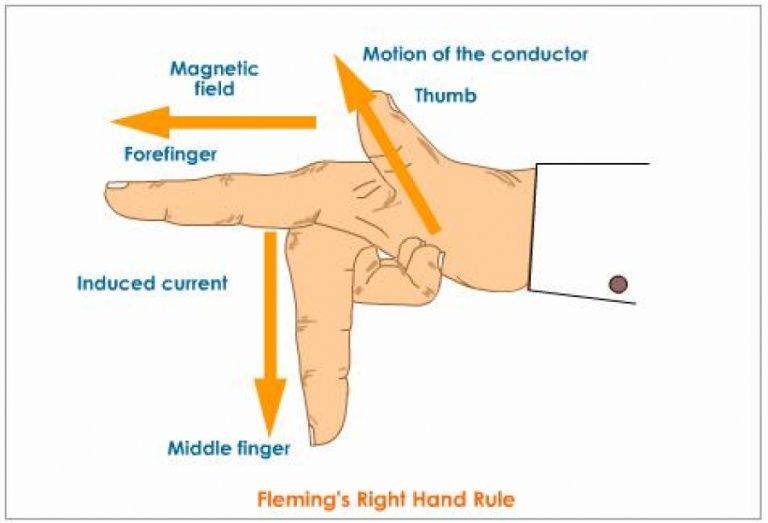
Introduction: The fleming’s right hand rule is common rule and used in magnetic field in conductor. It is also used to convert the notations for vectors.The electromagnetism is most widely used technique and predict the current induction direction. Fleming’s right hand rule use the thumb, central and first finger for direction identification. Explanation for Fleming’s…
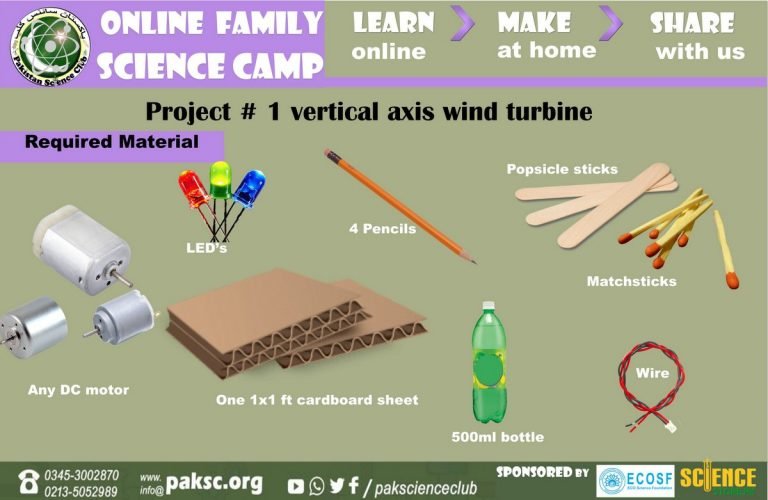
Using a few common things, you can make a working wind turbine with your kids and it turbine can also produce electricity. The wind turbine will generate enough alternating current, or AC, to power a small light bulb. and also charge a mobile phone with wind energy with few modifications. For testing, you will need a…
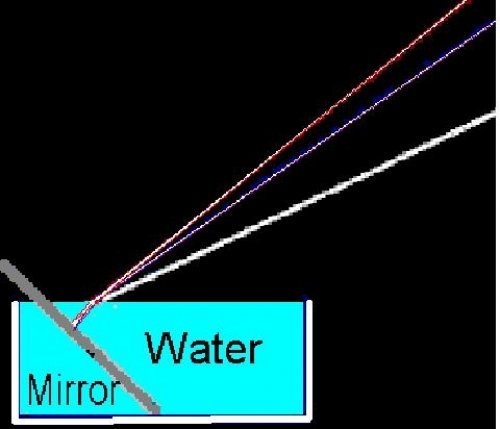
Make your own Water prism. A prism is a transparent object that separates light into individual beams Difficulty Level: Elementary/Secondary Concept: Dispersion of light, Spectrum, Prism Introduction: We can see a clear spectrum projected on a wall using a plane mirror and water in a vessel instead of a prism. Materials: a water container (Tupperware),…
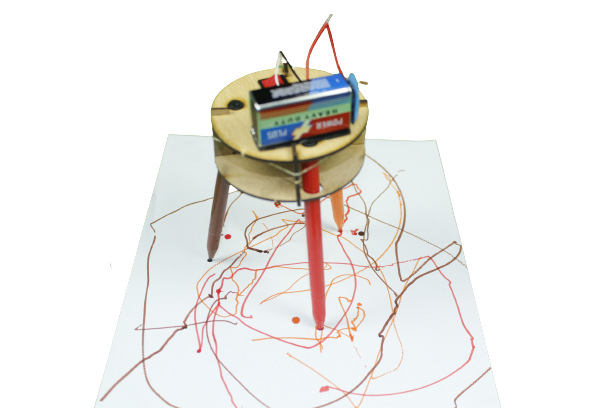
The Art Bot uses a small electric motor to move. In order to power the motor, the robot also needs a battery. When you connect the battery to the motor, you complete an electrical circuit, and this allows the motor to spin. The motor has an off-center weight attached to it which causes the motor…
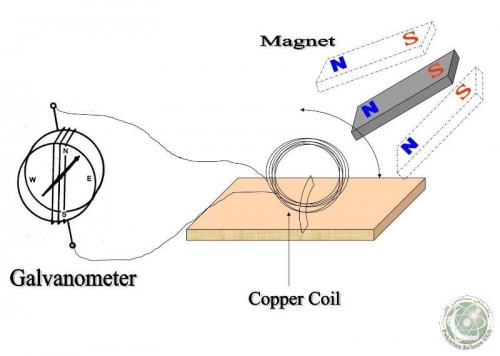
How can mechanical energy produce electricity? When electric current flows through a coil of wire, a magnetic field is created around the wire. You will remember that from your experience in making electromagnets: that’s why electromagnets work. In this activity the opposite is happening. Instead of producing a magnetic field around a coil of wire…
Building a DIY room air heater is an engaging project that demonstrates the conversion of electrical energy into thermal energy. This hands-on activity is suitable for young makers, with parental guidance, and offers practical insights into energy transformation principles. Objectives: Materials Needed: Note: These materials are available at ScienceStore.pk. inventor box Tools Required: Note: A…